
What Is Single Origin Coffee? A Beginner's Guide to Traceable Beans
Your coffee was roasted months before you opened the bag. That gap is why a bag labeled "single origin" can taste flat and vague instead of like the farm it came from.
By the end of this guide, you'll know what single origin actually means, how it differs from a blend, and how to read a label for farm, lot, and roast date. You'll also see how Kochere Coffee roasts to order and ships the same day, and whether traceable beans are worth it for your counter.
What Is Kochere Coffee? Single-Origin Specialty Roasted to Order
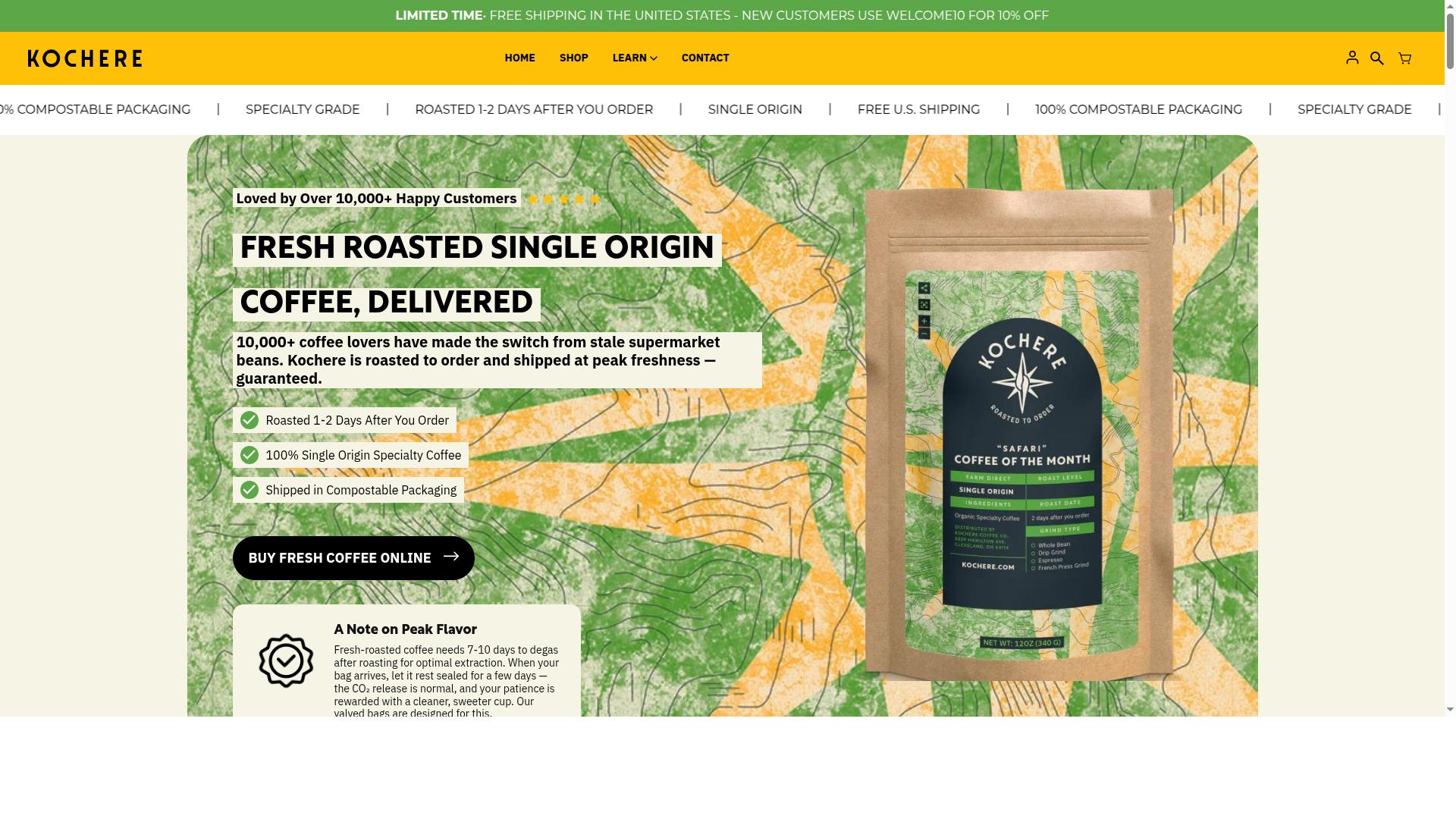
Kochere Coffee is a roast-to-order specialty coffee company that ships single-origin beans the same day they are roasted. Nothing sits on a shelf. Every bag is roasted in a small batch only after you order it, so what arrives at your door is as close to the roaster as coffee gets.
The name comes from the Kochere district in Ethiopia's Gedeo zone, one of the world's celebrated coffee-growing areas. The company sources single-origin, specialty-grade Arabica farm direct from smallholder cooperatives across eight growing regions in Africa and the Americas.
Every lot is cupped and scored by certified Q Graders, and beans ship in 100% compostable packaging. That is the short version. The sections below explain who it is for and how ordering works.
Who Kochere Coffee Serves and How It Works
Kochere Coffee serves home coffee lovers who want specialty-grade, single-origin beans and care about freshness, origin, and how their coffee is sourced. If you brew pour over, French press, drip, or espresso at home and you are tired of stale supermarket beans, you are exactly who this roaster has in mind.
Beginners are welcome too. You do not need to know your Bourbon from your Typica to start. Curious drinkers often begin with one origin, then work their way through the map one bag at a time. African coffees tend to be a favorite starting point.
The ordering process is simple:
- Choose your coffee from the current single-origin lineup.
- Pick your bag size and grind: whole bean, drip, coarse, or fine.
- Your coffee is roasted to order in a small batch after you place it.
- It ships the same day it comes out of the roaster.
Kochere sells direct to consumers through its online store and also through Amazon, so you can order whichever way is easiest for you. Gift buyers find it a thoughtful present for a coffee lover, especially someone who enjoys exploring origins.
There is also a Coffee of the Month subscription, with the flexibility to skip or cancel anytime. That makes it easy to keep fresh coffee arriving without a long commitment. Each delivery is a chance to taste a different geographic origin and notice how altitude, climate, and processing method shape the cup.
The team works directly with farming cooperatives, with no middlemen, and hand-selects every lot. That direct relationship is why the bags can tell you something real about where your coffee grew. When you open a bag, the aroma is the first clue: roast-to-order beans still carry the brightness and sweetness that time on a shelf wears away.
For anyone weighing whether Kochere Coffee is worth trying, the answer is a clear yes. The roast-to-order model, the traceable single-origin sourcing, and the same-day shipping add up to coffee that tastes like the place it came from.
What Is Single Origin Coffee? A Plain-English Definition
Single origin coffee means the beans come from one specific place, a single farm, cooperative, estate, or micro-lot within a region or country. That one place is your coffee's geographic origin, and it is written on the bag for a reason.
Because the beans share a home, they also share terroir: the altitude, climate, and soil composition that shape how they taste. Traceable beans let you follow your cup back to a harvest, a hillside, and the people who grew it.
Single Origin vs. Blends: What the Label Really Tells You
A single origin label tells you exactly where your coffee came from, while a blend combines beans from multiple regions to create a consistent flavor profile. Neither approach is better. They simply aim at different things.
Single origin highlights the unique character of one place. A single farm, cooperative, estate, or micro-lot carries its own tasting notes, and you can taste the difference between a washed process Ethiopian Sidamo and a natural process Harrar from the same country. That is the point: one place, one voice in the cup.
Blends are built for balance and consistency. A roaster might pair a bright washed coffee with a deeper natural one so the bag tastes familiar every time you open it. That is a craft of its own, and plenty of drinkers love that steady cup.
Here is the honest trade-off with single origin coffee. Each harvest season brings small shifts, because rain, altitude, and ripening all change from year to year. One lot might lean sweeter, another a touch more acidic. Many of us count that as part of the appeal, a reminder that coffee is an agricultural crop, not a factory product.
The label also tells you how much detail the roaster is willing to share. A country of origin alone is a start. A named cooperative, a specific micro-lot, a varietal like Bourbon or Typica, and a processing method tell you far more. When you see all of that on the bag, you can connect what you taste to how the beans were grown and handled.
Your first sip becomes a small act of curiosity. You are not just drinking coffee. You are tasting a place, a season, and a set of choices made long before the beans reached the roaster.
Why Traceability Matters in Your Cup
Traceability means you can follow your coffee from the farm to your cup, knowing exactly where it was grown and how it was processed. That paper trail is what separates single origin coffee from a bag of anonymous beans. When you know the farm, the cooperative, or the micro-lot behind your coffee, you can connect what you taste to a real place and the people who grew it.
Every detail on that trail shapes your cup. Terroir, which includes altitude, climate, and soil composition, gives a coffee its sense of place. Varietal and processing method then decide how that potential lands in your brewer, from bright acidity to deep sweetness. Traceable beans let you taste the difference and come back to what you love.
From Farm Lot to Roast Date: How to Read a Coffee Label
A good coffee label tells you the country and region of origin, the farm or cooperative name, the varietal, the processing method, and the roast date. That is your map to flavor. Here is what each piece means and why it earns its space on the bag.
- Origin: The country and region, such as Ethiopia Sidamo or Kenya Nyeri, point to the climate and altitude that shaped the bean.
- Farm or cooperative: A named single farm, estate, or cooperative shows who grew the coffee and how focused the lot is.
- Varietal: Names like Bourbon, Typica, Geisha, or heirloom variety hint at the cup's character, from soft sweetness to floral lift.
- Processing method: Washed process tends toward clean and bright, natural process toward fruity and full, honey process sits in between, and wet hulled brings a bold, earthy profile.
- Altitude: Higher-grown Arabica often ripens slowly, building more density and layered flavor.
- Roast date: This tells you how fresh your coffee is, which matters more than almost anything else.
Here is the practical tip worth remembering: always look for a roast date, not just a best-by date. A best-by date says little about when the beans were actually roasted. A roast date lets you judge freshness at a glance and plan your first brew while the aroma is at its peak.
Put the label to work. If you love a Kenyan coffee with bright acidity and juicy sweetness, a washed Nyeri lot tells you why. If a natural Ethiopian Sidamo gave you berry notes and a heavier body, you now know what to look for next time. Reading labels turns guesswork into a habit, and every traceable bag teaches you a little more about what you enjoy.
How Kochere Coffee Makes Traceability Tangible
Kochere Coffee brings traceability to life by roasting every order to order and shipping it the same day, so you can taste the difference freshness makes. The country, region, altitude, varietal and processing method sit right on the bag, so the story behind your cup is never a mystery.
Every lot is scored by certified Q Graders, and every order is roasted only after you place it. That means the coffee in your kitchen is days old, not months. It is a simple promise, and it changes what you taste.
Roasted to Order, Shipped the Same Day, Cupped by Q Graders
Every bag of Kochere Coffee is roasted only after you order it, then shipped the same day, so it arrives fresh and full of flavor. Three steps make that possible, and each one protects the delicate character of a single origin coffee.
- Cupped and scored by certified Q Graders using the SCA scoring protocol. Every lot lands at 80+ points, which is specialty grade and, by Kochere's measure, the top 3% of the world's coffee.
- Roasted to order. Your beans are never pulled from warehouse stock. The roast happens because you asked for it.
- Shipped the same day it is roasted. Nothing sits on a shelf waiting for a truck.
Freshness matters because single origin coffee carries flavors that fade with time. The bright acidity of a washed Kenyan, the jammy sweetness of an Ethiopian natural, the soft body of a Honduran Marcala: these are fragile notes. Weeks in a warehouse dull them. Days in a roaster's queue preserve them.
You notice it the moment the bag opens. A fresh roast releases a rush of aroma, sometimes berries, sometimes citrus peel, sometimes warm cocoa, depending on the lot. That first breath tells you the coffee origin story is still intact.
The details on the label go further. Country, region, altitude, varietal and processing method are printed on every bag, so you can follow a flavor back to a single farm, cooperative or micro-lot. Choose your bag size from 12 oz to 5 lb and your grind, from whole bean to fine, on every coffee. The packaging is 100% compostable, and the Perfect Cup Guarantee covers you for 30 days with a replacement or full refund if the cup disappoints.
What Single Origin Coffee Tastes Like: A Beginner's Guide to Flavor
Single origin coffees can taste wildly different from one another, ranging from bright and fruity to deep and chocolatey, depending on where they're grown and how they're processed. That range is the whole point. When a bag comes from one place, you get to taste that place instead of a blend designed to hide it.
You don't need a trained palate to notice the difference. You just need a few simple words for what your mouth is already telling you.
Acidity is the brightness that makes coffee taste lively rather than flat. It's the zing you feel at the sides of your tongue, like a squeeze of lemon or a bite into a crisp apple. It is not the same as sourness, and good acidity feels clean and pleasant.
Body is the mouthfeel, the weight of the coffee on your tongue. Think of the difference between skim milk and cream. A light-bodied cup feels tea-like, while a heavier one coats your mouth and lingers.
Sweetness is the natural sugar sensation in the bean, and it shows up in many forms. You might taste caramel, honey, brown sugar, or ripe fruit. It's what makes a cup feel round and comforting rather than sharp.
Then come the tasting notes, the specific flavors roasters list on the bag. Fruit, chocolate, floral, spice, nuts, citrus. These are comparisons, not added flavors. The coffee simply reminds your senses of those things.
Why does one bean taste like jasmine and another like dark chocolate? Several things shape the cup, and they all start at the coffee origin.
- Terroir: altitude, climate, and soil composition give each region its character. High-grown beans often taste brighter and more complex.
- Varietal: the plant itself matters. Heirloom variety, Bourbon, Typica, and Geisha each bring their own tendencies.
- Processing method: the washed process tends to give clean, crisp flavors, while the natural process often brings bigger fruit and sweetness.
- Roast profile: a light roast keeps origin flavors front and center, while a darker roast adds deeper chocolate and caramel tones.
Change any one of these and the cup changes with it. That's the beauty of single origin coffee: every choice leaves a fingerprint you can taste.
Kochere roasts to order, so the flavors below reach you close to their peak. Here are two clear examples from the lineup that show how much a single origin can differ.
Ethiopian Harrar is a natural process, medium roast built on heirloom cultivars from the Oromia region. Expect berry, honey, chocolate, and wild fruit notes. It's a cup with depth and a little untamed character, the kind that makes you pause after the first sip.
Ethiopian Sidamo is also a natural process, but roasted medium-light, using heirloom cultivars from the Sidama Zone. Its profile leans toward milk chocolate, caramel, and fruit, softer and sweeter, showing how the same country can deliver a completely different experience.
Want to see the range even wider? Try the Single Origin Sampler, a roaster's choice of single origins and a popular gift. It's an easy way to taste several places side by side.
The most important tool here is your own palate. If a cup tastes like strawberry to you, that's what it tastes like. There's no wrong answer, and no expert needed.
Slow down and pay attention to the aroma when the bag opens, then the first sip, then the finish. Keep a simple note or two about what you noticed. Over time, your vocabulary grows on its own.
Start with a coffee whose notes sound appealing, then branch out. Moving from the fruit-forward Ethiopian Harrar to the gentler Ethiopian Sidamo is a natural first step. Trust your taste, explore a new origin now and then, and let each cup teach you something.
Pricing and Plans: Single Origins, Sampler and Subscription
Kochere Coffee offers straightforward pricing across bag sizes, plus a sampler and a flexible subscription. Every bag is roasted to order, so what you pay for is coffee that still smells vivid when you open it, not beans that have sat in a warehouse. Here is the full picture, so you can plan before you buy.
Prices sit in a narrow band, from $26.99 to $27.99 for a 12 oz bag, whether you are browsing a washed Kenyan lot or a pulped natural Brazilian. Most 12 oz single origin bags are $27.49, with a few at $26.99 or $27.99 depending on the coffee. That small spread reflects the lot itself, not a tier system.
| Size or Plan | Price |
|---|---|
| 12 oz bag | $26.99 to $27.99 (most $27.49) |
| 1 lb bag | $33.99 to $35.99 |
| 2 lb bag | $59.99 to $62.99 |
| 5 lb bag | $99.99 |
| Single Origin Sampler | $29.99 |
| Coffee of the Month subscription | Save up to 15% |
For a beginner, the Single Origin Sampler at $29.99 is the smartest first step. It lets you taste several origins side by side and notice how altitude, varietal and processing method change the cup. Try the Ethiopian Harrar next to the Colombian Medellin and the difference in acidity and sweetness becomes obvious.
Bigger bags reward you if you already know your favorite. A 5 lb bag at $99.99 brings the per-ounce cost down for households that brew daily. If you are still exploring, stick with 12 oz and work through the menu first.
The Coffee of the Month subscription is built for people who want a steady supply without thinking about reordering. You save up to 15%, and the discount depends on how often you choose delivery, with every two weeks earning the full 15%. You can skip or cancel anytime, so there is no lock-in.
Shipping is free in the United States, though Alaska, Hawaii and international orders pay shipping. New customers can use code WELCOME10 for 10% off a first order. If a bag does not suit you, the Perfect Cup Guarantee covers a replacement or full refund within 30 days, with no return shipping required.
Trust Signals: Specialty Grade, Reviews and Track Record
Kochere Coffee backs up its claims with specialty-grade scores, verified customer reviews, and a track record of over 10,000 customers served. For a beginner weighing a first bag of single origin coffee, those three signals matter more than any slogan.
Here is what each one means, and why it helps you trust what is in the bag.
Specialty grade is a real threshold, not a marketing label. Every Kochere lot scores 80 or above on the SCA 100-point scale and is cupped by certified Q Graders. That places each lot in the top few percent of coffee grown worldwide.
Why does a score help you? Because it reflects an independent evaluation of clean cup, sweetness, acidity and balance before the beans ever reach your grinder. A traceable bean with a score behind it is a safer bet than a name alone.
Reviews are the second signal, and the ones on kochere.com are tied to actual purchases. The site uses Judge.me, so feedback comes from customers who bought the coffee. That makes the words easier to weigh.
One verified buyer described the Ethiopian Harrar this way: "A wonderful complex flavor with some light hints of acidity and fruit, but is very balanced... an excellent Ethiopian coffee." Notice the detail: fruit, acidity, balance. That is how a taster talks about a specific coffee origin, not a generic blend.
Other buyers have been just as direct. Stephanie called the Single Origin Sampler a "10 out of 10," adding that the aroma was strong and delicious from the moment she opened the box. Christopher H. wrote simply, "Amazing coffee. Brazilian coffee is now my new favorite!"
Volume tells you whether a few happy voices are the whole story. Reviews sit on each of the core East African coffees at 168, with 118 on Costa Rica and Honduras and 70 on Colombia and Brazil. Kochere coffees are also rated on Amazon, several at 5 stars, with the Organic Single Origin Sampler holding 4.5 stars.
Add it up and you get over 10,000 customers served. That is a track record built one bag at a time, and it sits alongside a Perfect Cup Guarantee: if you are not happy within 30 days, you get a replacement or a full refund, with no return shipping.
For anyone new to single origin coffee, this is the practical takeaway. A score tells you the cup was judged. Reviews tell you how it landed with real drinkers. A guarantee tells you the roaster stands behind the bag. When all three line up, you can explore a new coffee origin with confidence.
Who Should Choose Single Origin Coffee (and Kochere Coffee)
Single origin coffee is for anyone who wants to taste the distinct character of a specific place and values freshness and traceability. You do not need a fancy grinder or years of tasting experience to enjoy it. Curiosity is enough.
If you have ever wondered why one bag smells like ripe peach and another like dark chocolate, single origin coffee is the answer. Each bag comes from one geographic origin, so the flavors you taste are tied to a real place, not blended away.
Here is who tends to fall in love with traceable beans:
- Home coffee lovers who want to know the country, region, and farm behind their cup.
- Drinkers who care about freshness and notice the difference between coffee roasted last week and coffee roasted months ago.
- Explorers who like comparing a washed Ethiopian lot with a natural process bean from the same country.
- Anyone who wants a simple, honest answer to "where did this come from?"
Kochere Coffee is built for exactly this kind of drinker. Every lot is roasted to order, one to two days after you buy it, then shipped in 100% compostable packaging with free U.S. shipping.
The beans are specialty grade, sourced direct from farmers across Africa and the Americas. Each lot is cupped and scored by certified Q Graders to meet SCA specialty-grade standards of 80+ points, so the tasting notes on the bag reflect what is actually inside.
You can start with a single country and work your way across the map. The Ethiopian Sidamo brings bright, floral lift, the Kenyan Nyeri & Embu leans juicy and bold, and the Tanzanian Peaberry offers a round, sweet cup. Two lots, the Honduran Marcala and Ugandan Sipi Falls, are also organic.
A subscription is the easy way to keep fresh coffee arriving without thinking about it. You get a new origin to explore, roasted after you order, and a Perfect Cup Guarantee behind every bag: not happy within 30 days, and you get a replacement or a full refund with no return shipping.
Final Verdict: Is Kochere Coffee Worth It for Traceable Beans?
If you're looking for traceable, single-origin coffee that arrives fresh, Kochere Coffee is a strong choice. The reason comes down to one habit: roast to order. Your bag is roasted after you order it, so the aroma that greets you when you open it is closer to the roaster than to the warehouse shelf.
That freshness matters most with single origin coffee. A washed Ethiopian Sidamo and a natural Kenyan Nyeri & Embu each carry a distinct coffee origin story in the cup, and those delicate tasting notes fade fastest in coffee beans that sit around. Roasting close to your order helps protect the acidity, sweetness, and body you paid for.
Traceability is the other half of the story. Each offering is tied to a geographic origin, whether that's a single farm, cooperative, or estate, so you can connect the flavor in your cup to a real place, altitude, and harvest season. For a beginner learning to taste the difference between regions, that clarity is worth a lot.
Quality gets a check too. Kochere's coffees are Q Grader scored, a licensed sensory evaluation that gives you a reference point beyond marketing language. And the Perfect Cup Guarantee backs it up: not happy within 30 days, you get a replacement or a full refund, with no return shipping.
Pricing is where the honest verdict lands. You'll pay more per bag than commodity coffee, and that's expected. You're covering careful sourcing, small-lot roasting, and the freshness of roast-to-order. Flexible pricing and subscription options let you start small, try a few origins, and settle into a rhythm that fits your budget.
So who is it for? If freshness and coffee origin matter more to you than the lowest price per pound, Kochere fits well. If you mainly want the cheapest possible bag, it may feel like more than you need. For anyone building a palate for traceable beans, it's a confident yes.
Ready to explore? Visit kochere.com to see the current single origin lineup, email support@kochere.com with any questions, or follow @kocherecoffee on Instagram, TikTok, X, Facebook, and Pinterest. Whenever you're ready, there's a fresh-roasted bag with your name on it.
Frequently Asked Questions
What exactly does "single origin" mean?
Single origin means the coffee in your bag comes from one specific place - a single farm, region, or lot - rather than being blended from multiple countries. This traceability lets you taste the character of that origin and understand exactly what you're drinking. At Kochere Coffee, every single origin is cupped and scored by certified Q Graders before it joins the lineup.
How fresh is Kochere Coffee when it arrives?
Every bag is roasted to order - only after you place it - and never pulled from warehouse stock. Kochere Coffee ships each order the same day it is roasted, so it reaches you at peak freshness. Nothing sits on a shelf waiting to be sold.
What does "specialty grade" actually mean?
Specialty grade refers to coffees that score 80 or above on the SCA scoring protocol, which places them in the top 3% of the world's coffee. Every lot at Kochere Coffee is cupped and scored by certified Q Graders before it joins the lineup. It's a quality benchmark you can taste in the cup.
Which single origin should I start with?
If you're new to single origin, the Single Origin Sampler is an easy way to explore several coffees side by side. If you already know you enjoy berry and wild fruit notes, the Ethiopian Harrar - a natural-process medium roast - is a welcoming place to begin. You can also browse the full lineup at kochere.com and pick the exact origin that appeals to you.
How should I store and brew single origin coffee?
Keep your beans whole and sealed in an airtight container away from light, heat, and moisture, and grind just before brewing for the best results. Single origin coffees shine in pour over and French press, where delicate origin flavors come through clearly. Kochere Coffee's blog covers topics like pour over versus espresso if you want help choosing a method.
What if I don't love the coffee I ordered?
Kochere Coffee backs every order with the Perfect Cup Guarantee: if you're not happy within 30 days, you get a replacement or a full refund, with no return shipping required. You can reach the team at support@kochere.com with any questions about your order.